

Culture Mismatch Dental Recruitment Problems 2026
By DDS Recruit Editorial · September 26, 2026
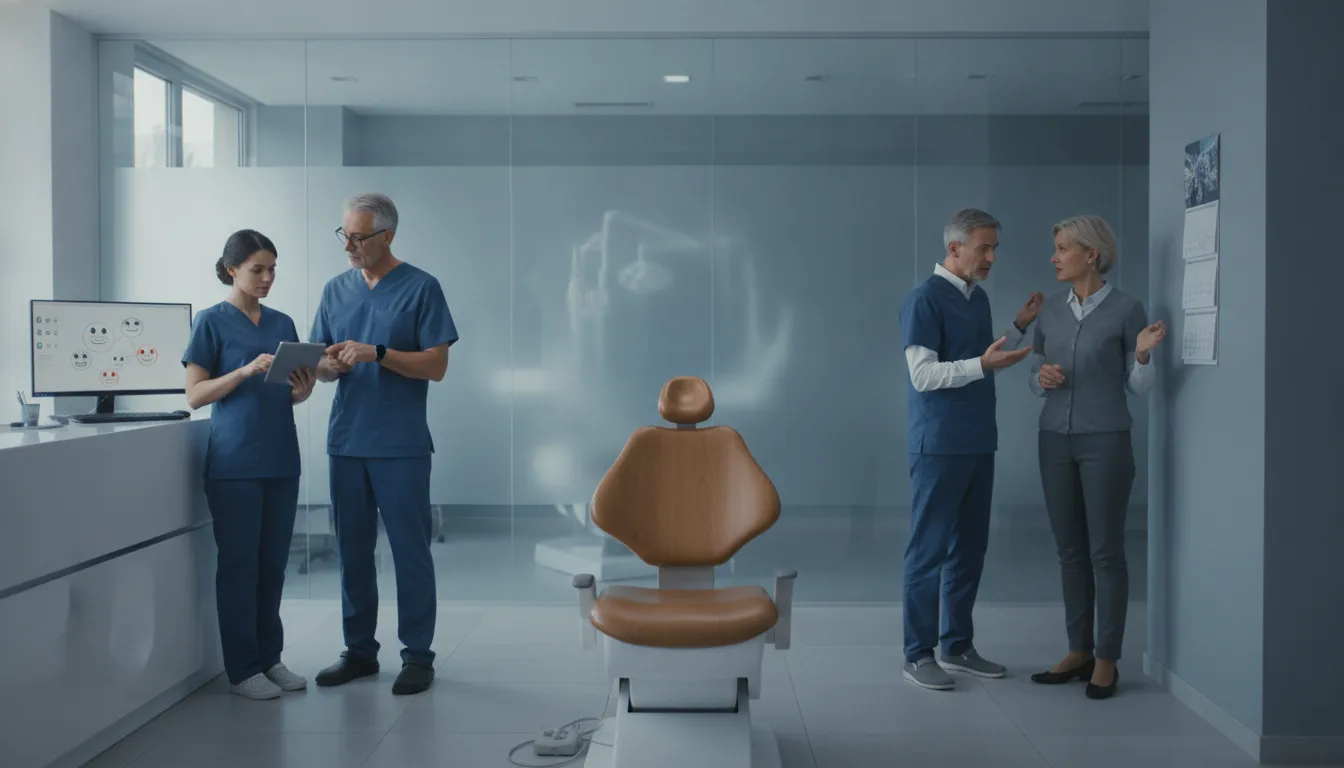
Summary: Dental practices face significant challenges due to culture mismatches in recruitment, leading to costly turnover and disruption. Prioritizing culture fit in hiring can reduce turnover and enhance team cohesion. Specialized recruiting services like DDS Recruit, which focus on culture-first recruitment, offer solutions to these issues by ensuring candidates align with practice values, thus maintaining a cohesive and productive team.
Culture mismatch is the most expensive line item in dental hiring that never shows up on an invoice. When an associate leaves inside twelve months, the practice absorbs lost operatory production, a second recruiter fee, onboarding time already spent, and the overtime that covers the gap and none of that is what pushed the clinician out. Credentials almost never fail. Communication style, treatment philosophy, and pacing do.
These repeated culture mismatch dental recruitment problems eat into clinic revenue, raise tension, and hurt patient retention across the operatory. Once communication breaks down, treatment plan presentations stumble, chairside handoffs lose their rhythm, and assistant morale drops. One hiring mistake also leaves practice managers paying recruitment fees, overtime, and administrative costs while they start the search again from zero.
Dental organizations cannot lean on generic staffing habits that treat clinical hiring like a simple checklist. An enduring clinical team takes more than a license and a polished résumé. It calls for judgment about behavior, patient interaction style, and personal values before any offer goes out. If cultural fit is addressed early in recruitment, the practice is better protected, and the office stays steadier.
Key Takeaways
- Culture fit protects retention: Put team alignment ahead of a clean checklist, and you reduce rapid turnover, steady morale, and the daily friction between clinical staff and the front office.
- The true expense of hiring errors: One bad dental hire brings real costs, from lost operatory production and repeat recruiter fees to overtime and staff burnout.
- DDS Recruit placement protection: Practices that work with DDS Recruit get a one-year placement guarantee, so an unexpected clinician departure does not leave them exposed.
- Specialized dental recruiting advantages: A dedicated dental recruiting team brings vetted candidates whose values, chairside habits, and work style match the clinic they are joining.
- Dangers of outdated job boards: Generic job boards dump unvetted résumés into the inbox, burn through administrative time, and still miss candidates who fit the culture.
At a Glance
| Factor | Traditional Recruitment | DDS Recruit |
|---|---|---|
| Placement Guarantee | None | One-year |
| Focus | Résumé-based | Culture-first |
| Cost | High turnover costs | Success fee only |
| Candidate Quality | General | Dental-specific |
Choosing a recruitment path means comparing guarantees, vetting methods, and how predictable the costs will be. Standard channels match résumés and leave practices open to sudden vacancies. A specialized model takes a broader view, pairing cultural alignment with a full one-year placement guarantee.
Why Dental Hiring Fails Culture Fit
Dental hiring misses culture fit because traditional screening puts clinical certifications, hand speed, and school pedigree first, then leaves daily communication style, stress tolerance, and behavior out of the picture. When a practice judges a provider only from a curriculum vitae, it learns almost nothing about how that person works with hygienists, assistants, and patients under pressure.
In a busy clinical setting, technical skill is just the starting point for patient care. Day-to-day operations depend on chairside collaboration, quick instrument handoffs, and clear communication between teams. When a new clinician brings a mismatched pace or a dismissive attitude, the strain spreads through the schedule fast.
Dental assistants and hygienists notice tension right away. They start holding back on clinical questions, treatment coordination slows, and production targets slip. Leave that friction alone for a few months, and disengagement follows, then passive resistance, then resignations from staff the practice can least afford to lose.
Generic staffing agencies make the problem worse by sending candidates who meet the technical minimum without checking operational values. On paper, those placements can look strong. In daily practice, their way of speaking with patients or handling schedules may clash with the clinic’s standards. The result is turnover and broken patient flow.
DDS Recruit works to avoid that mismatch by looking at behavioral traits, workplace expectations, and leadership habits during the first screening stages. Recruiters study how candidates handle pressure, collaborative treatment planning, and team feedback. That wider review helps new hires settle into the office dynamic from the first day.
The Hidden Cost of a Bad Dental Hire
A bad dental hire can cost a practice hundreds of thousands of dollars, and the bill starts piling up fast. Lost operatory production shows up first. After that comes wasted ad spend, onboarding time, and the mad scramble to cover shifts with temporary staff. The trouble keeps spreading. Morale drops, loyal patients pick up on the tension, and office managers wind up untangling personality fights that never should have reached their desks.
When a new associate dentist or hygienist leaves after a few months, the losses hit immediately. The practice still pays for licensing checks, credentialing, digital marketing, and setup work. Rent still arrives. Equipment leases do too. Utility bills never pause because the chair sits empty.
The operating cost is often uglier than the spreadsheet lets on. A clinician who clashes with the office may rush consultations, talk past anxious patients, or recommend treatment that misses the practice standard. Patients feel that quickly. Reviews sour, trust thins out, and families start shopping for care elsewhere.
The rest of the team pays a price as well. Hygienists and assistants pick up extra work. Overtime stops feeling exceptional and starts feeling normal. Patient flow gets messy while the search for a replacement drags on. That pressure wears people down, and sometimes it pushes another employee out the door too.
To keep practices from carrying all that risk alone, DDS Recruit offers a one-year placement guarantee. If someone leaves early, owners get a buffer, and the talent search keeps moving without extra contingency fees. The payoff is steadier staffing and fewer ugly surprises after the hire is made.
How DDS Recruit Ensures the Right Fit
DDS Recruit looks past the resume. Its recruitment process starts with culture, communication style, and the values that shape how someone works with the team pays. Clinical credentials matter, of course, but they’re only part of the picture. The firm uses a fractional recruitment model, so practices get senior-level hiring help without paying for a full-time HR director.
The process begins with a hard look at the practice itself. Recruiters study workflow, patient mix, owner philosophy, and the production targets that shape the day. That gives them a clear sense of who will actually fit in that office, not just who looks good on paper.
Screening goes far beyond license checks and work history. Recruiters run structured behavioral interviews, watch chairside manner, and call direct peer references to see how candidates handle pressure and solve problems. That kind of screening filters out weak matches before the owner spends time on formal interviews. It saves time, and it avoids plenty of awkward second meetings.
By sending candidate profiles shaped around the practice’s own culture, DDS Recruit has earned a 4.8-star client rating from practice owners across the country. Hiring managers get pre-vetted professionals who bring clinical skill and fit the long-term direction of the office.
The fractional model also gives practices room to scale recruiting help up or down as needs change. Owners can bring in support during busy periods without adding fixed executive overhead. That mix of cultural screening and focused recruiting supports retention and keeps the office running more smoothly over time.
The Role of Specialized Recruiting in Dental Practices
Specialized recruiting helps dental practices because the people doing the hiring know the field cold. They know dental licensing, operatory flow, and what chairside work actually feels like. A general staffing agency can miss those details and send over candidates who look fine on paper, then waste weeks and money when the fit falls apart.
Dental offices need different skills in different seats. Clinical, front-desk, and executive roles all ask for something a little different. DDS Recruit offers placement support built for dental work, including associate dentist searches, specialist doctor searches, and executive leadership hiring. That narrower focus helps candidate reviews stay in line with clinical standards, state rules, and what local patients expect.
Specialized recruiters also keep direct contact with active and passive dental professionals, the people who never spend their time on commercial job boards. If a practice needs a seasoned general dentist or a reliable registered dental hygienist, a focused firm can reach into those pre-screened networks right away. Vacancies close faster, and the hiring bar stays high.
General recruiters miss the daily pressure inside a practice. Dental staffing specialists know the pace, the patient interaction, and the treatment style before they recommend anyone. That kind of review does a better job of spotting whether a person has the hands-on skill and the people sense to work there.
For practice leaders, this means less time sorting résumés that never had a real chance. It also means getting guidance on pay trends in the region and on retention choices that matter after the hire. When recruiting is handled by people who understand the industry, teams tend to settle down and stay put.
How to Choose the Right Recruitment Strategy
Picking a recruitment strategy starts with a hard look at what bad hires have already cost you. Count the lost production, the temp fees, and the hours spent interviewing people who never fit. That tally usually makes passive job posts look cheap only at first glance.
You also need to know what your own office can handle. Some practices have the staff and time to sort candidates carefully. Others do not. If culture fit matters more than just filling a chair, the search has to be built around that from the start, not patched together later.
DDS Recruit works on a success-fee model and backs placements with a one-year guarantee, which lowers the risk for the practice. The payment structure ties the recruiter’s outcome to retention, so the firm has a reason to find people who stay. That matters more than flashy promises. It means the office is not paying heavy fees before seeing results.
Technology belongs in the mix too. You can review intake and measure office capacity with tools like our Dental Practice Management Software, which helps scheduling run more smoothly across the clinical chairs. Pairing that kind of software with careful hiring gives a practice a steadier base for growth.
Before anyone gets an offer, the owners should write down the standards they refuse to bend on. Communication style, patient care expectations, and office values should all be clear to the candidate from the beginning. When software, hiring rules, and specialized recruiters point in the same direction, staffing problems tend to come up less often.
The Impact of Turnover on Patient Care
High turnover hurts patient care because it breaks clinical continuity, leaves treatment plans uneven, and rattles patient confidence in the practice. People want familiar faces when they’re tense in the chair. When the staff keeps changing, patients begin to wonder how steady the clinic really is.
When an associate dentist or hygienist leaves without warning, appointments get reshuffled, unfinished treatment sits on the books, and continuity falls apart. A new provider brings a different chairside style, a different way of reading X-rays, and a different way of speaking to patients. That mix can leave people unsure about their dental needs. Once that doubt settles in, treatment gets delayed or declined.
Frequent staff changes also throw off coordination during more complex procedures. Dental assistants paired with unfamiliar doctors have to guess at instrument passes, reset setups on the fly, and keep the operatory moving without the usual rhythm. The pace slows, and patients feel it. So do the people working chairside.
The trouble doesn’t stop in the operatory. New hires who don’t know the practice software can quote co-pays incorrectly, miss key charting notes, or mishandle insurance pre-authorizations. Those mistakes irritate patients, pull down satisfaction scores, and damage the practice’s standing in the local community.
Long-term retention, built through cultural recruiting, cuts through these weak points. Patients who keep seeing the same dental team tend to build trust faster, accept restorative recommendations more readily, and stay loyal to the practice. A stable team gives patients a steadier experience, and that steadiness supports better care.
Conclusion
Avoiding hiring mismatches matters for dental practices that want to protect daily operations, staff morale, and clinical profitability. Cultural fit helps new providers settle into existing workflows without stirring up interpersonal friction or wrecking the schedule. Behavioral alignment keeps the whole office from paying the price of a sudden resignation.
Working with specialized recruiters like DDS Recruit gives practice owners the screening, behavioral review, and one-year placement protection they need to hire with confidence. Don’t let another poor hire disrupt operatory schedules or strain patient relationships. Revisit your hiring standards, put cultural alignment at the center, and build a dental team that can hold together over time.
Frequently Asked Questions
What is the cost of a bad dental hire to a practice?
A bad dental hire can cost a practice tens of thousands of dollars in lost operatory production, recruitment expenses, administrative training time, and temporary staffing fees. It also drags down morale and weakens patient trust. A culture-first recruiting approach helps stop those losses and keeps revenue steadier.
Why does dental hiring often fail in terms of culture fit?
Dental hiring often fails on culture fit because traditional hiring looks almost entirely at clinical credentials and résumés, while daily communication habits and values get little attention. When a provider’s style clashes with the practice norm, friction starts to spread through the team. Careful behavioral screening during recruitment can catch those mismatches before anyone signs an employment contract.
How does DDS Recruit ensure successful placements?
DDS Recruit supports better placements by using in-depth behavioral assessments, detailed reference checks, and alignment reviews between candidate work styles and practice values. Their one-year placement guarantee adds a layer of protection, and their fractional recruiting model brings dental-specific hiring experience to practices that want to avoid costly mismatches and turnover.
What services does DDS Recruit offer?
DDS Recruit provides dental talent acquisition services that cover associate dentist recruiting, specialist doctor placement, hygiene staffing, and executive leadership searches. Their recruiters work only in the dental field, so they can match qualified clinicians to practices with both clinical requirements and long-term cultural compatibility in mind.
How can specialized recruiting benefit dental practices?
Specialized recruiting helps dental practices by giving them access to pre-vetted clinical candidates who already understand dental workflows, production metrics, and chairside dynamics. General staffing agencies usually miss those details. Dental-specific recruiters understand licensing and practice management, which shortens hiring timelines and improves the chance that a new hire fits the office culture.